Crewe the Railway Town and the Origins of the Railwaymen
Crewe grew up around its station, not the other way around. Today the name calls to mind a big junction on Britain's rail network, and also soccer and a club whose nickname has a story of its own. Where does the name Railwaymen come from, and how is it tied to the railway? The answer lies in a station that opened in 1837 and in the choices of the company that built a works and a town here.
Crewe Station: Where the Story Begins
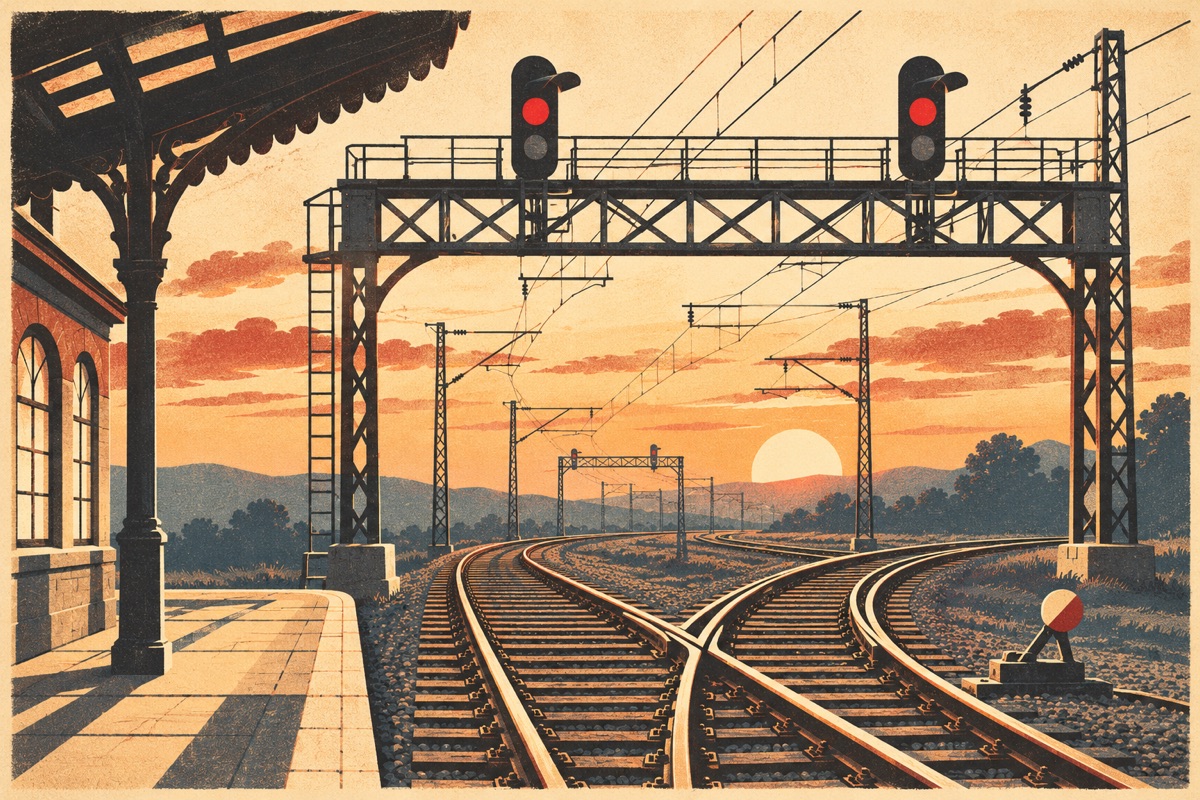
Crewe station opened on July 4, 1837, on the Grand Junction Railway. Its importance is easy to grasp once you look at the part it later played in the rail network. A simple stop on a railway line slowly turned into a hub with a personality of its own.
The link between station and town has an odd twist. The station gave the town its name, but it stayed outside the borough until the late 1930s. For many years the building that lent the town its name sat beyond the official limits of the community that had sprung up beside it. It is a reminder that the railway came first and the town came after.
Why Crewe Is a Railway Junction
Crewe is now a major junction on the West Coast Main Line. Routes lead from here to Manchester and North Wales, and also to Stoke-on-Trent and Shrewsbury. Those links make the station a hub for rail traffic, with trains leaving in several directions.
Twelve platforms and fourteen tracks give an idea of the station's size. Still, a junction matters for more than its track count. What counts is how the tracks tie a major trunk route to the lines that branch off it, and those ties make Crewe far more than a place to pass through.
Crewe Works and a Town Built by a Company
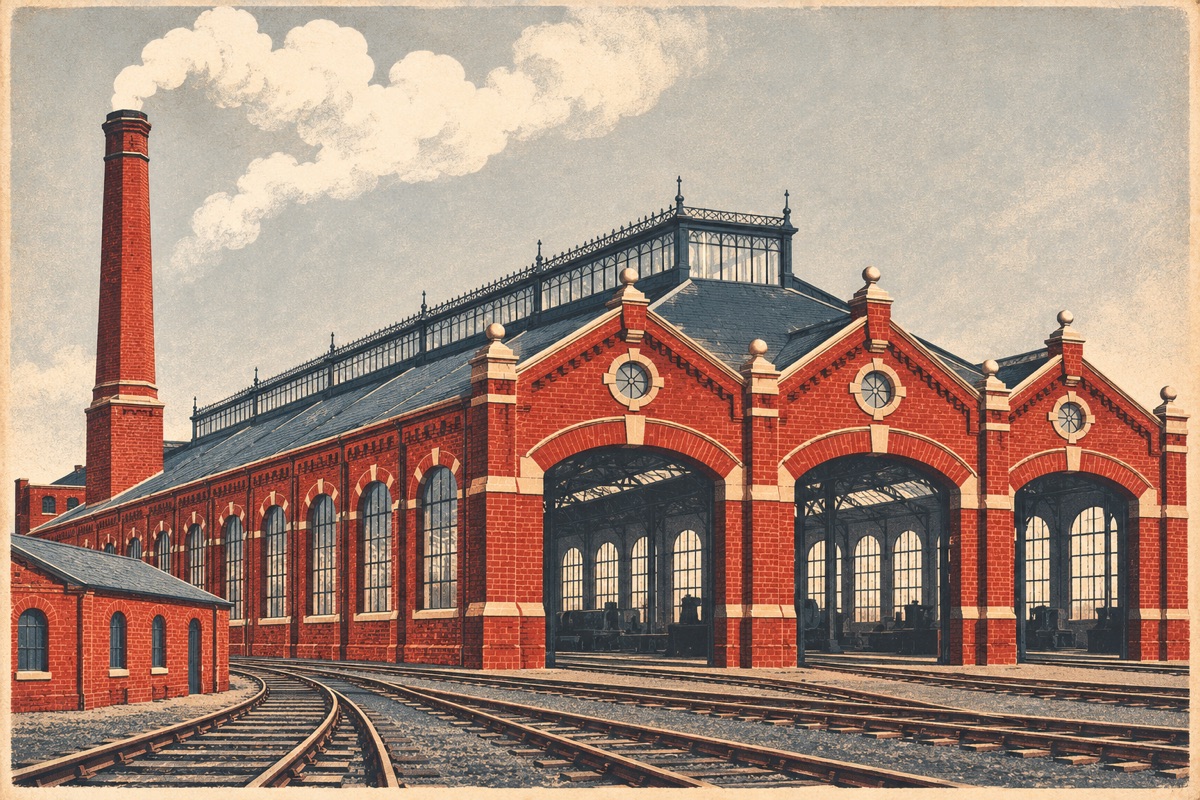
Crewe picked up speed after the station opened. In 1842 the Grand Junction Railway relocated its locomotive works from Edge Hill in Liverpool to Crewe. The move changed the place completely, bringing a large industrial plant to what had been barely more than a stop on the line. Crewe Works drew in workers, and the workers needed homes, streets and services.
The company supplied all of that itself and built a town north of the works for its workers and managers. It was a planned answer to industrial demand rather than the slow growth of a village. The works, the tracks and the housing all belonged to one company, so they were designed to function together.
That is why Crewe is still described as a place where station, works and housing formed a single whole. In a town built this way, daily life and railway work were closely woven together. That bond left its mark on Crewe's later identity, including its sporting traditions.
Where the Railwaymen Come From
The Crewe soccer club goes by the name The Railwaymen. The nickname mirrors the town's railway ties and sums up something of its wider identity. You do not need to know much about the club to understand it. Knowing Crewe is enough. The club is also called The Alex, so fans and reporters have two familiar names to choose from, and one of them clearly points to the railway.
The team wears red jerseys with white shorts, a uniform in use since the late 1890s. These lasting colors show how strong tradition is in Crewe. Like the works and the station, they join the town's past to its present.
Gresty Road Beside the Station
The Gresty Road ground sits right next to the railway station, which makes it simple for fans to get to games. The location is symbolic as well as practical. With stadium and station side by side, the Railwaymen nickname is written into the geography of the town. Fans coming in by train have only a short trip to the stadium, so the railway remains part of the game day experience and not just part of the club's name.
What to Remember
Crewe's story as a railway town is simple but distinctive. First came the station, which opened in 1837, then the works, which arrived in 1842, and then the community the company built for its workers and managers. The nickname Railwaymen is a fitting legacy, tying soccer to the industrial past of the town in a single word. Keep reading to see more of a story in which the railway and the game have always run side by side in Crewe.